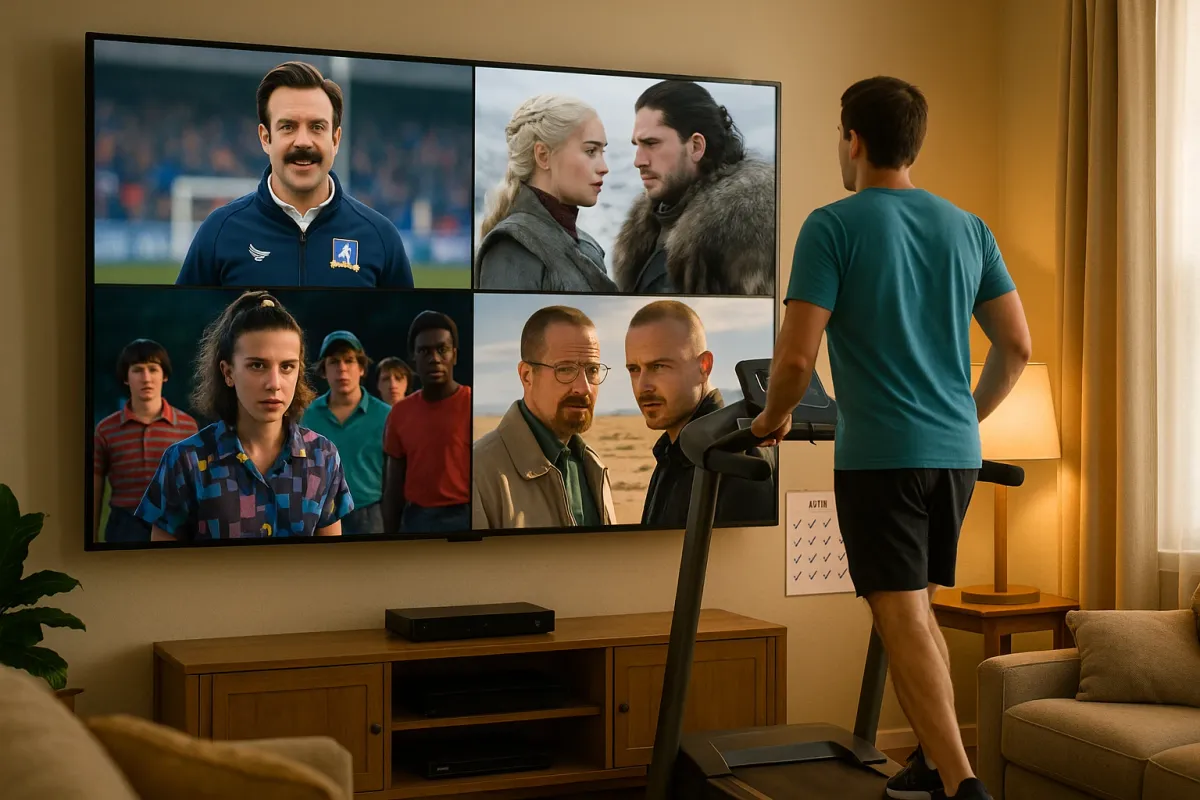
That same energy is exactly what your fitness journey needs right now. Forget chasing a “perfect” week. It’s time to think like a long-running series: sustainable, adaptable, and always coming back for the next episode—no matter what the last one looked like.
Here’s how to use fitness tracking to turn your workouts into a long-running “series” you’re proud of, and finally stay accountable to yourself.
Turn Your Workouts Into “Episodes,” Not One-Off Events
Those legendary shows on the “longest-running TV” list didn’t survive because every single episode was a masterpiece. Some were iconic, some were filler, but together they built something massive. Treat your fitness the same way: track every workout as an “episode” instead of grading your days as success or failure.
In your app, notebook, or spreadsheet, literally call them Episode 1, Episode 2, etc. Log what you did, how long you moved, and how you felt (tired, fired up, meh—but did it anyway). This simple shift tells your brain: “My job is to keep the series going, not to be flawless today.” Missed a day? That’s not a cancellation; it’s just a skipped episode. Get right back to filming the next one. Progress tip: focus on having more episodes this month than last month, not on being perfect every day.
Steal The “Season Arc” Trick: Set Short, Punchy Tracking Goals
Long-running shows survive because each season has a clear arc—new villains, new cases, new storylines. Your fitness tracking needs seasons too. Instead of vague goals like “get fit,” give yourself 4–8 week “seasons” with specific metrics to track. For example: “Season 1: Build the 30-Minute Habit,” where your only goal is to track 30 minutes of movement, 4 days a week.
Create a simple dashboard: a calendar, habit app, or notes page where you put a check, sticker, or color for every day you hit your “season” goal. Don’t overwhelm yourself with 10 metrics; track 1–3 that matter most right now (e.g., workouts completed, daily steps, hours of sleep). At the end of the season, review your “episodes,” celebrate that you stuck with it, then reset the storyline for the next one—maybe “Season 2: Strength Upgrade” where you track weights, reps, or sets. This keeps your brain engaged and makes progress feel like an evolving story instead of an endless grind.
Use “Cliffhangers” To Pull You Into Your Next Workout
You know how some shows end an episode with a cliffhanger so you have to watch the next one? Use that same strategy on yourself. At the end of every workout, write down a tiny, clear instruction for “Next Episode.” Examples: “Next time: add 5 lbs to squats,” “Run this route again and try to beat 22:30,” or “Repeat this exact dumbbell circuit, but no phone breaks.”
Track these cliffhangers in your notes or app so when you show up next time, the plan is already waiting. This eliminates decision fatigue—the hidden fitness killer—and gives your brain a reason to come back. Your log becomes less about what you did and more about where you’re going. Consistency skyrockets when tomorrow’s move is already locked in. It’s not “Should I work out?” It’s “Let’s see what happens in the next episode.”
Build Your “Audience”: Share Trackable Wins, Not Just Aesthetics
Those long-running shows on the list didn’t survive on looks—they survived on loyal viewers who cared about the storyline. Stop obsessing over what your body looks like in the mirror and start sharing the story of what your body can do. Use your tracking data as content fuel, especially on social media where sharing progress keeps you accountable.
Post things like: “Week 1 vs Week 4: 3 push-ups → 10 push-ups,” “Today’s 5K pace vs last month’s,” or a screenshot of your monthly move streak. Use captions that hype effort and consistency: “Not my fastest, but I showed up,” “Episode 12 of my workout series: didn’t want to, did it anyway.” When you become the main character in a story about effort instead of perfection, you’ll be more excited to keep the plot moving. And yes—tagging your wins publicly can make you think twice before ghosting your own goals.
Track Resets, Not Just Streaks, So You Never “Cancel” Your Show
Many people give up the moment their streak breaks—one missed day, one chaotic week, and they assume the series is over. But think of all those TV shows that took mid-season breaks, got renewed years later, or switched formats. They didn’t vanish—they reset. Your tracking needs to honor resets, not punish them.
Add one more metric to your fitness log: “Reset Count.” Every time you fall off for a few days or weeks, don’t delete your data or start a brand new app account. Instead, make a note: “Reset #1—back after 10 days off,” then log your next workout. Watch that Reset Count like a badge of resilience, not failure. Over time, your story becomes: “I’ve restarted 5 times this year—and I’m still here,” which is infinitely more powerful than “I quit because I lost my 27-day streak.” Progress isn’t about never pausing. It’s about never fully cancelling your show.
Conclusion
The renewed obsession with the longest-running TV shows is the reminder your fitness journey needs today: greatness is built episode by episode, season by season, not in one perfect moment. When you track your workouts like a series—with episodes, seasons, cliffhangers, an “audience,” and resets—you stop chasing short-term hype and start building long-term momentum.
You don’t need the perfect workout. You need the next one logged. Open your app, your notes, or your calendar and start “Episode 1” today. Your long-running fitness series starts the moment you decide it’s not over after a bad day—it’s only getting renewed.